
Shreveport’s water infrastructure has become a pressing concern for residents and officials alike. The city’s aging system has led to frequent water main breaks, boil advisories, and service disruptions, affecting daily life and public health.
Recent Incidents Highlight System Vulnerabilities
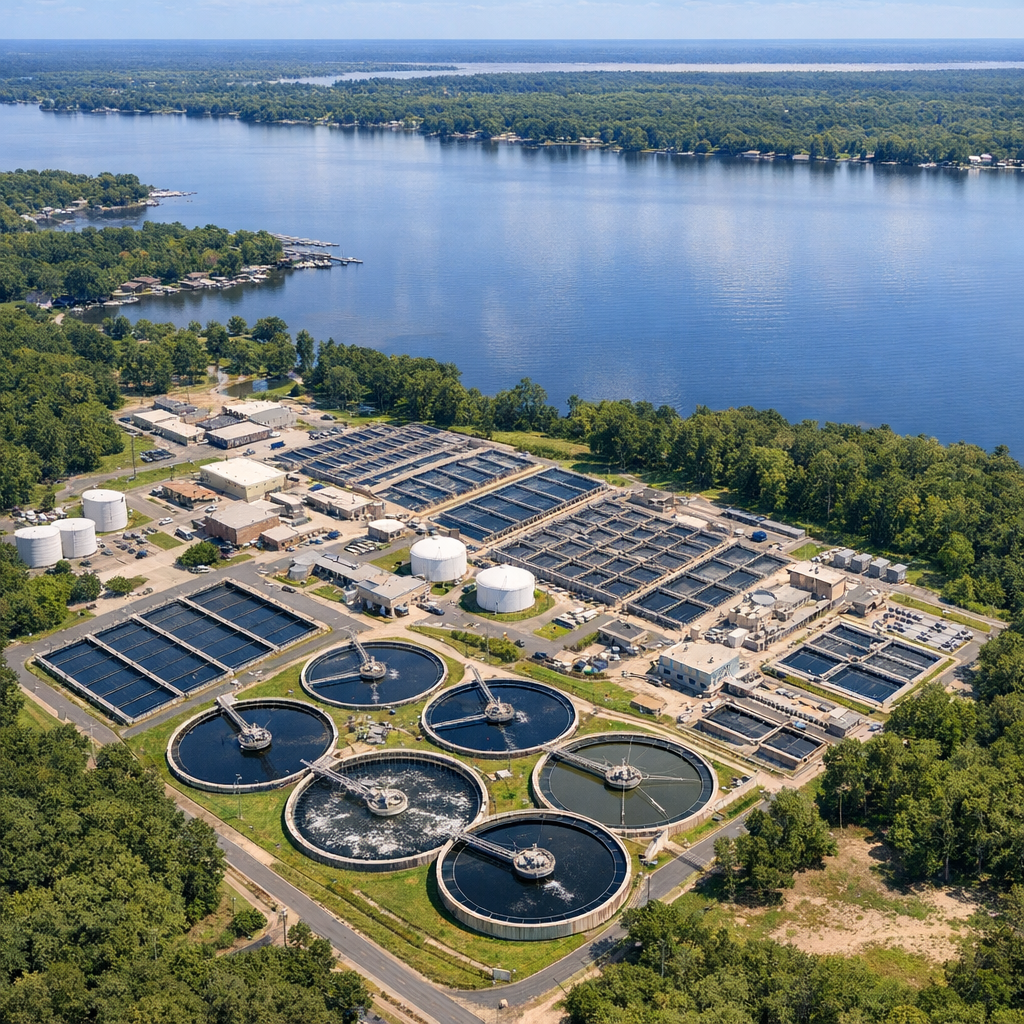
In March 2026, a significant water main break at the Thomas L. Amiss Water Purification Plant near Cross Lake resulted in a citywide public health emergency. Residents experienced low to no water pressure, leading to widespread school closures and a boil water advisory. Mayor Tom Arceneaux acknowledged the crisis, stating, “The water system is old,” emphasizing the challenges posed by the aging infrastructure.
Financial Strain and Compliance Challenges
The financial burden of maintaining and upgrading the water system is substantial. Shreveport is seeking a multi-decade extension to complete federally mandated wastewater system upgrades, with projected costs nearing $1 billion. The city has already spent over $450 million addressing deficiencies identified under a 2014 EPA consent decree aimed at reducing sewer overflows and ensuring compliance with the Clean Water Act. Officials now estimate an additional 15 to 20 years will be needed to complete the necessary upgrades.
Community Impact and Response
These infrastructure challenges have a direct impact on residents. Water main breaks and subsequent boil advisories disrupt daily routines, while the financial strain of system upgrades could lead to increased rates, affecting affordability, particularly for low-income households. The community’s resilience is evident, but the need for a sustainable solution is clear.
Looking Ahead
Addressing Shreveport’s water infrastructure issues requires a collaborative effort between city officials, residents, and federal agencies. Transparent communication, strategic planning, and securing adequate funding are essential steps toward ensuring a reliable and safe water system for all.